Community Colleges & Community
From De Anza Day to Day on the Hill: Bringing the Community Back to Our Colleges
October 4, 2026 · By Liang Chao
Community colleges are more than classrooms. They can also be places where residents gather, learn, attend performances, explore new ideas, meet local organizations, and simply spend time together.
That role has deep roots at Foothill-De Anza.
Remembering De Anza Day
On June 6, 1971, De Anza College held its first De Anza Day, an open house for the community.
Organizers expected about 15,000 people. Instead, approximately 50,000 local residents came to campus for food, recreation, crafts, and a performance at the then-new Flint Center.
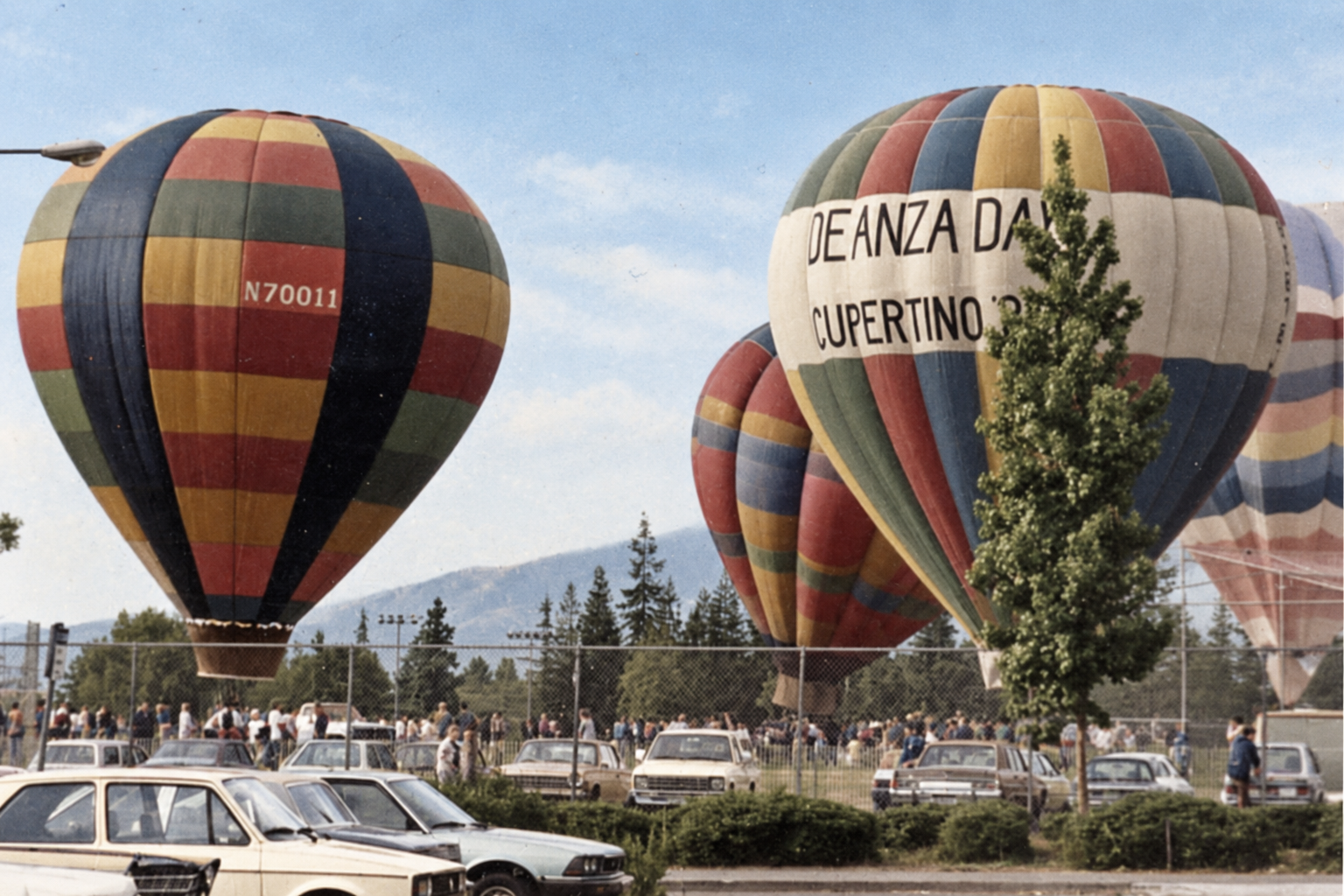
The event grew into a long-running community tradition. Over the years, De Anza Day included arts and crafts, music, dancing, recreation, children's activities, swimming and diving events, cultural performances, and other attractions.
For longtime residents, De Anza was not simply a place students went to take classes. It was also a place where the community came together.
The tradition eventually ended, but the idea behind it remains relevant:
How can our community colleges be gathering places for the communities that support them?
Foothill's Day on the Hill
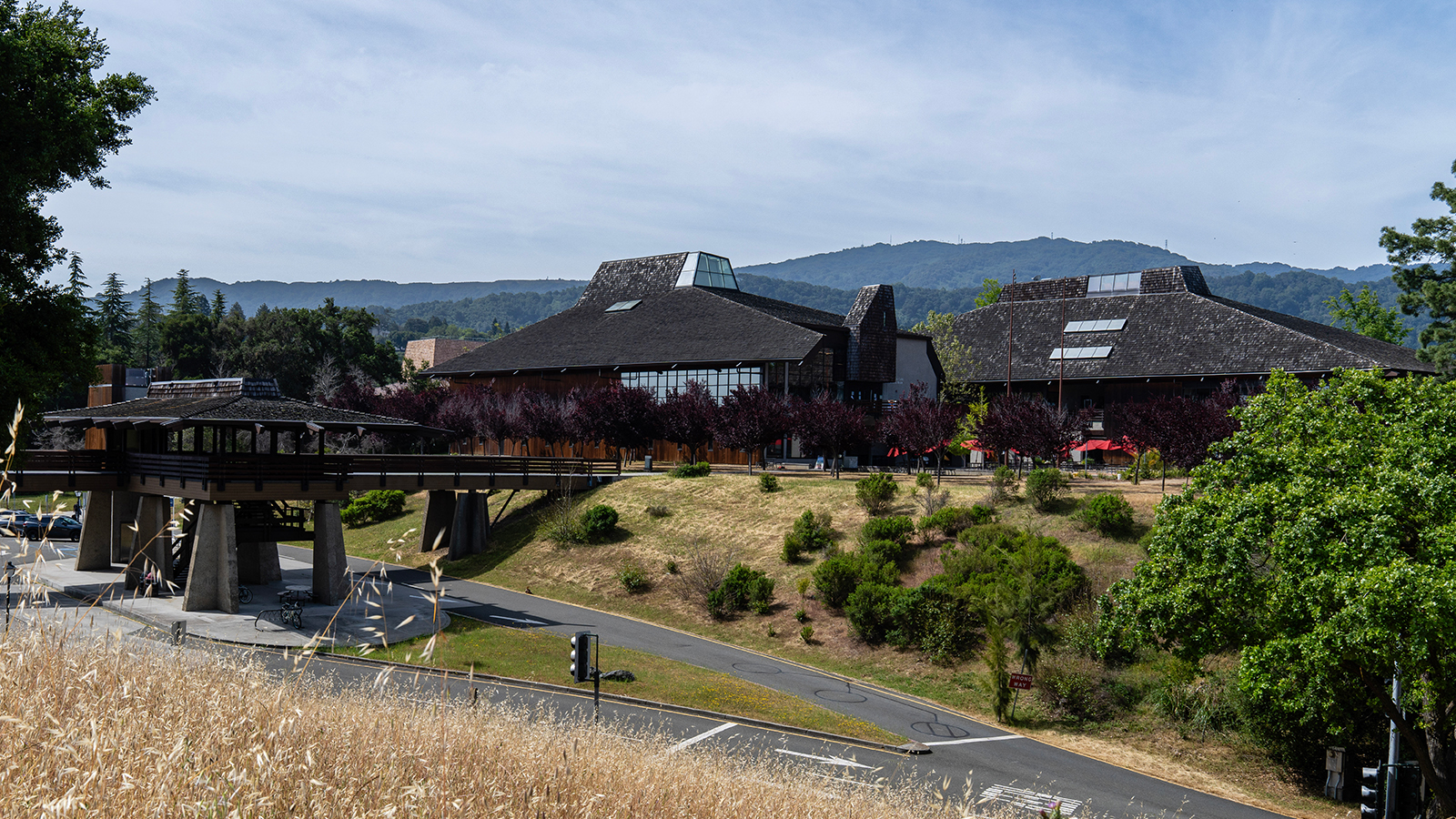
Foothill College continues a version of this idea through its annual Day on the Hill.
It is a free, family-friendly open house welcoming future students, families, and community members. Visitors can explore academic programs and clubs, meet faculty and students, tour the campus, learn about career opportunities, and get help with enrollment and financial aid.
Day on the Hill is primarily an educational open house, rather than the large community festival that De Anza Day once was, but it gives residents a reason to come onto campus and discover what the college offers.
What neighboring community colleges are doing
Other local community colleges are also finding ways to make their campuses community destinations.
At West Valley College, STEAM'D Fest brings together science, technology, engineering, arts, mathematics and design. The free public festival includes performances, demonstrations, student work, science activities, technology, film, astronomy and other hands-on experiences.
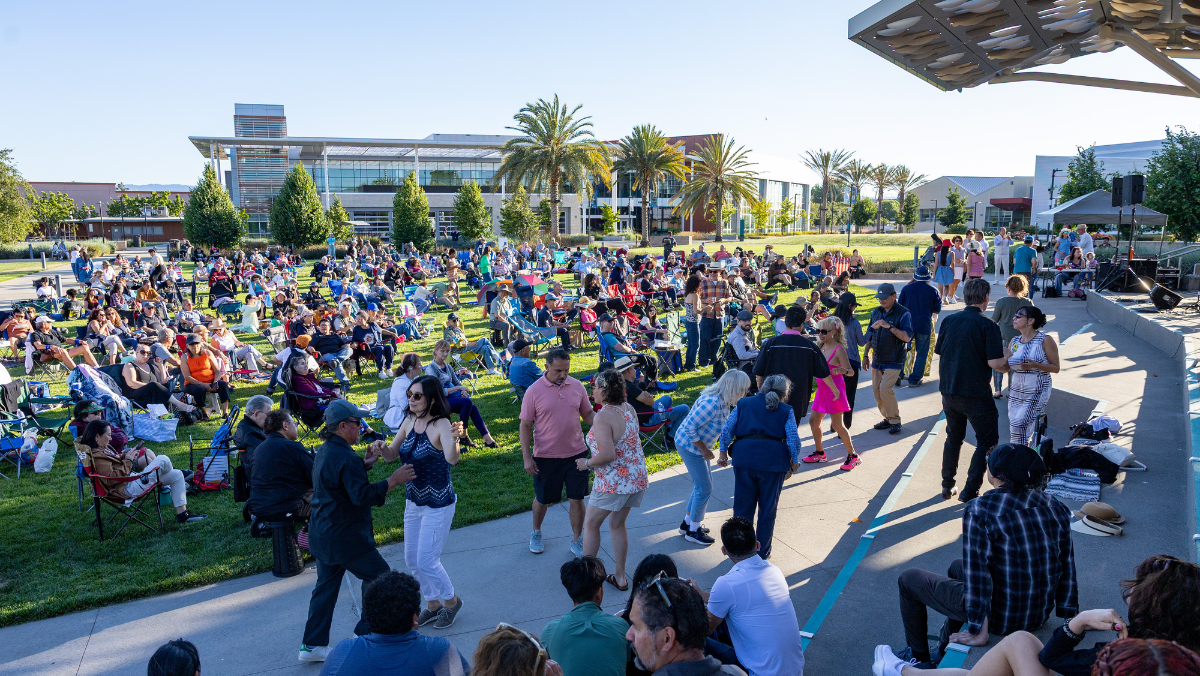
At Mission College, the annual Summer Concert Series invites the public to its Central Plaza for free outdoor concerts, with food trucks and live performances.
Mission has also partnered with the City of Santa Clara on community events held on campus.
These are different models, but they share something important: they bring people onto a college campus even when those people are not currently enrolled as students.

A community-supported college district
Foothill-De Anza has transitioned to what California calls a Community-Supported District, or Basic Aid district.
For 2026–27, approximately $186.7 million of the district's projected $252.9 million in unrestricted General Fund revenue comes from local property taxes — about 74%.
In other words, local property-tax dollars provide roughly three-quarters of the district's unrestricted funding.
Local residents therefore support these colleges substantially through their property-tax dollars whether or not they or their children are currently enrolled.
That makes it worth asking a broader question:
What relationship should Foothill and De Anza have with the communities around them?
Education must remain their central mission. But a community college can also be a community anchor — a place for lifelong learning, culture, workforce development, public events, recreation, and connections among residents, students, businesses and community organizations.
One useful way to think about it is:
Bring the community to the colleges — and bring the colleges into the community.
What would you like to see?
Perhaps De Anza Day should return in some form. Perhaps the answer is several smaller events throughout the year. Or perhaps residents have completely different ideas.
I'd like to hear them.